

Launched nearly two years ago, the “Urban Terminal” project will see the re-development of five former military hangars by 2026. The project aims to foster integration with the city’s cultural and social landscape.
It is not widely known that Padua has an airport. Once used for military purposes, Gino Allegri Airport has been partially phased out by the Air Force in favor of more intensive commercial and touristic use. But for several years now — and hopefully even more so in the future — it will serve as a cultural hub. In December 2024, a space dedicated to art and community life opened within the airport: the Urban Terminal, a multifunctional area commissioned by Heron Air, the private aviation company that has managed the airport facility since 2021 (under a twenty-year concession). The project aimed to integrate the airport into the city’s cultural and social landscape through events, exhibitions and festivals. And so it has been, albeit in an initial phase; now we move on to the intensive phase two: the redevelopment of the former military hangars.
The first activities at Urban Terminal
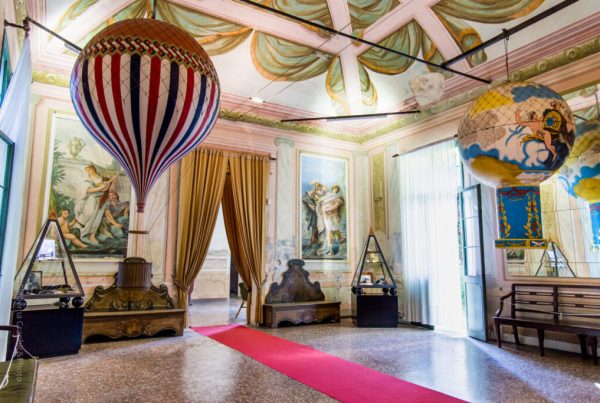
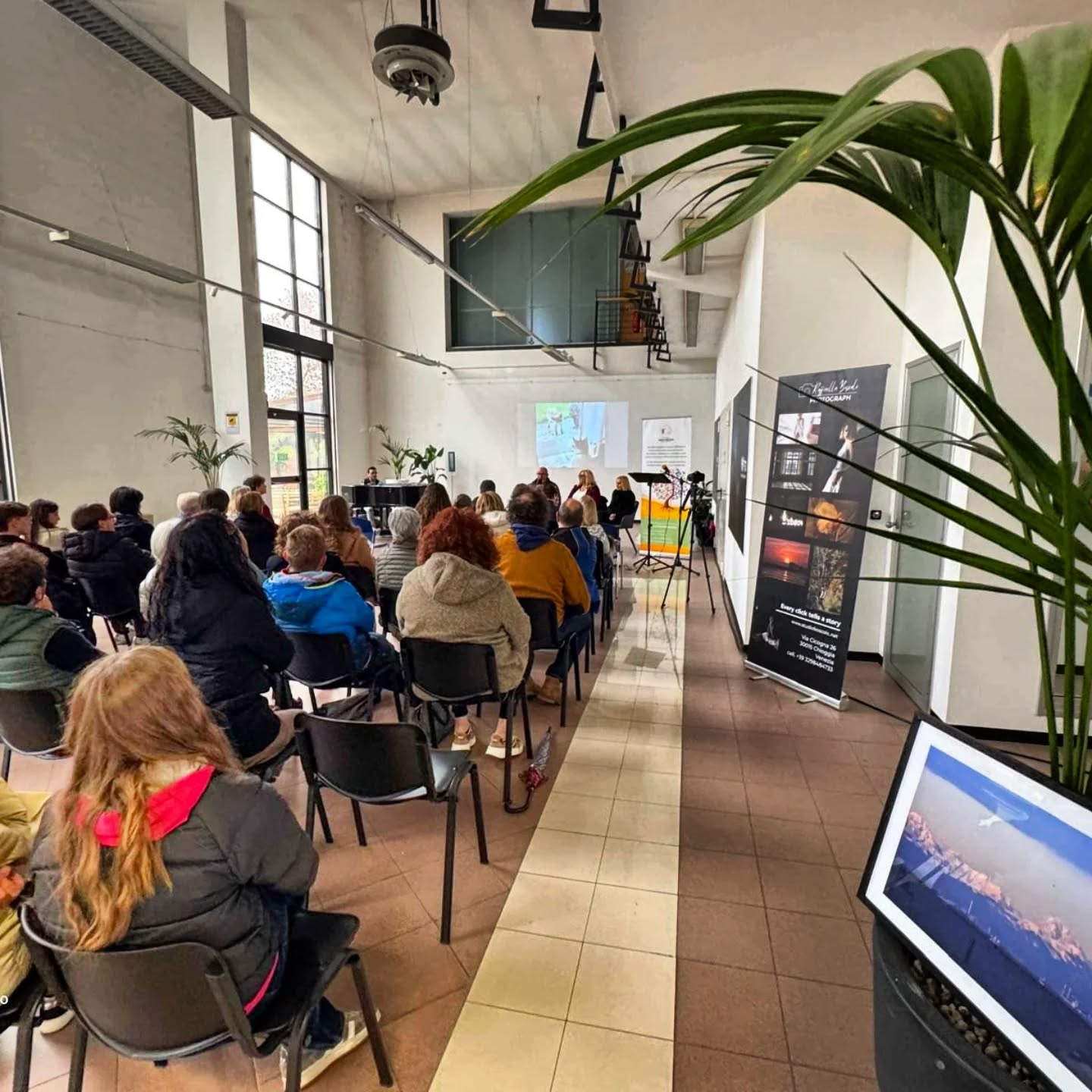
Located in the northeastern part of Padua, Allegri Airport is not far from the city center; this is one of the reasons why the Urban Terminal aims to serve as a vibrant community space. In collaboration with its neighbors, the Museo dell’Aria and Spazio of San Pelagio (two institutions dedicated to the history of aviation and cultural tourism in the Veneto region) the airport has opened the Immelmann exhibition space, designed for temporary exhibitions, performances, and conferences, and has set aside areas for permanent works, such as Sergio Rodella’s Icaro (for which a temporary solo exhibition was held here during the winter).
The works that will be changing the airport
The space available is huge but it requires a massive overhaul. By 2026, redevelopment and expansion work will begin, covering a vast area: the entire former military area will be involved, including the five hangars and ancillary structures. The former helicopter pilots’ offices (the “casette”) will be demolished, the first hangar will be renovated, and the former Aeroclub building (currently unusable) will be restored. As work progresses, airport officials have said that some spaces will be sold to private individuals, while others will be allocated to public, non-profit artistic, and educational projects.